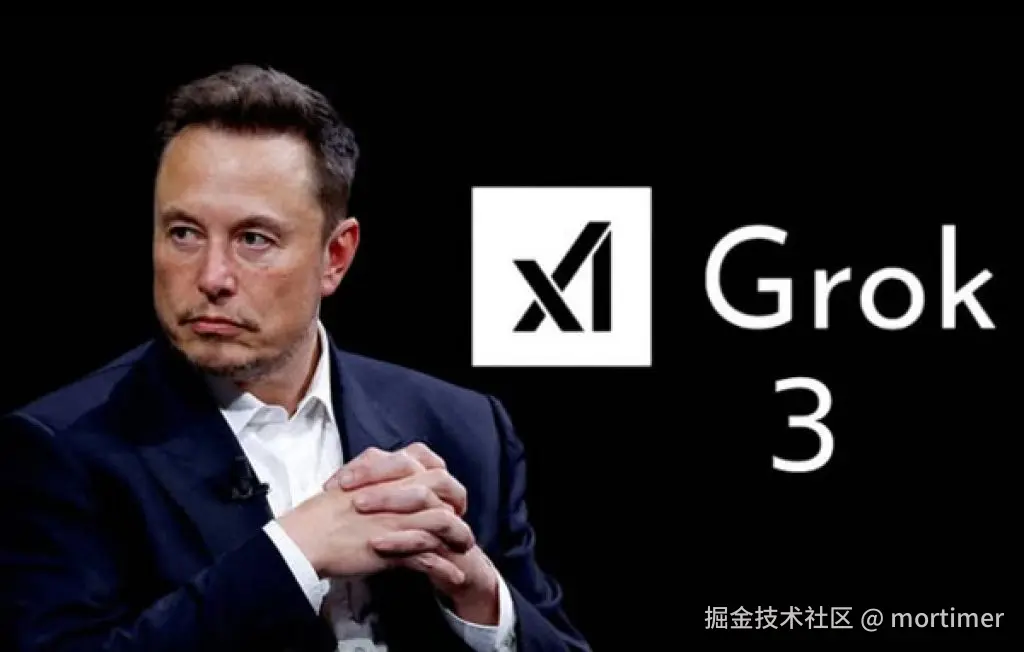
The most talked-about news in the tech world today is undoubtedly the launch of the Grok-3 large model by xAI. It is said that this AI model possesses human-like thinking capabilities, with the key being its use of "chain-of-thought" technology. It can decompose complex tasks layer by layer, like peeling an onion, for deep analysis, somewhat similar to OpenAI's o3 and Deepseek-r1.
When mentioning Grok-3, one must talk about its creator, Elon Musk. The tech mogul directly declared Grok-3 to be "the smartest AI on Earth," even adding that it's "scary smart." He believes Grok-3's reasoning capabilities are exceptionally powerful, and among all AI models tested so far, none can match it.
The Grok series was launched by Musk in 2023 with a clear goal: to challenge OpenAI's ChatGPT. Grok-1 was released in November 2023, followed by Grok-2 in August 2024. This latest Grok-3 is the newest upgraded version of the series.
Speaking of OpenAI, it is undoubtedly a leader in today's AI field. There is also a story that must be told between OpenAI and Musk, and the birth of Grok is related to this history.
OpenAI was initially founded in San Francisco in 2015 by Sam Altman, Elon Musk, and five others, with a collective investment of $1 billion. At that time, OpenAI and Musk were in a "honeymoon phase." It is said that Sam wanted to attract talent with high salaries, and Musk gave his unwavering support! Back then, joining OpenAI not only came with a $300,000 annual salary but also SpaceX stock options, offering quite generous compensation.
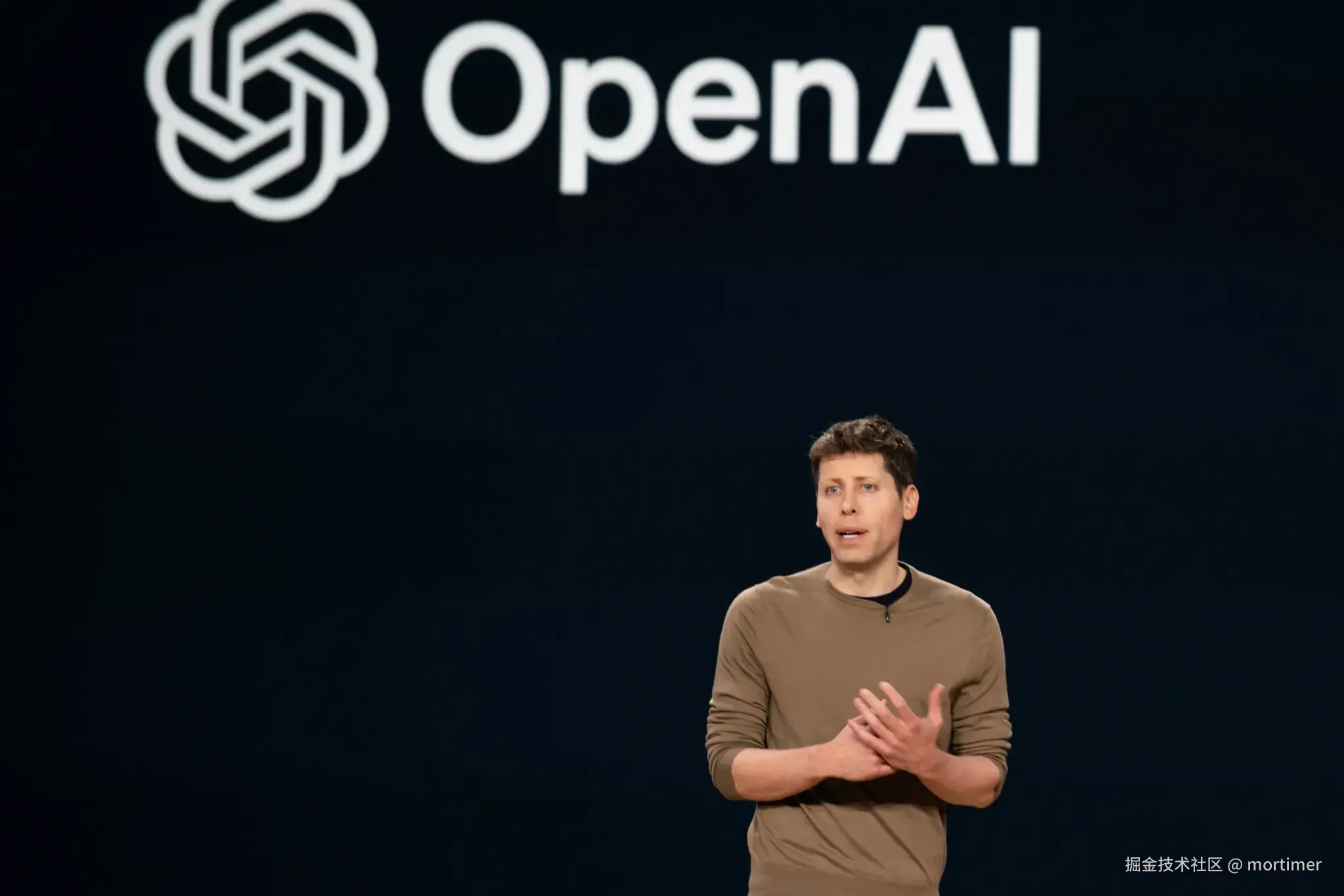
OpenAI's original vision was to be a non-profit organization, open-sourcing technology and developing AI beneficial to humanity. However, OpenAI gradually transformed into a closed-source, for-profit company. This dissatisfied Musk, who felt OpenAI had lost its way, becoming a "subsidiary" of large corporations like Microsoft. Later, Musk was excluded from the OpenAI board. Although he expressed willingness to continue investing, the rift had already formed, which is one of the reasons he later created Grok.
In March 2019, OpenAI officially announced its transition from a "non-profit" to a "capped-profit" company, with a profit cap of 100 times the investment. Musk publicly criticized OpenAI, accusing them of forgetting their original purpose, focusing only on making money while ignoring the potential risks posed by AI. He sarcastically suggested OpenAI should rename itself "CloseAI."
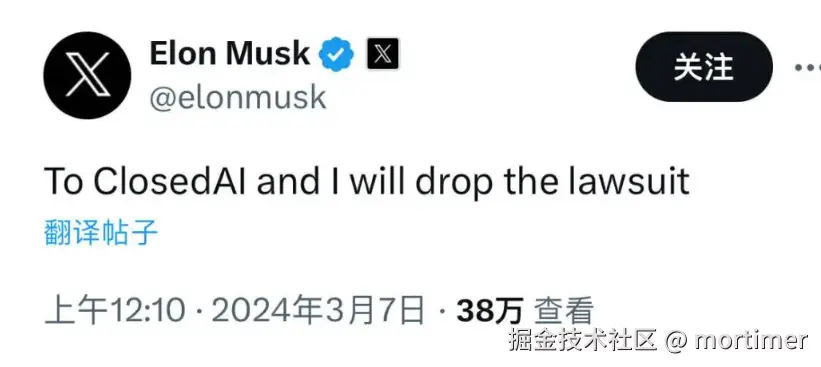
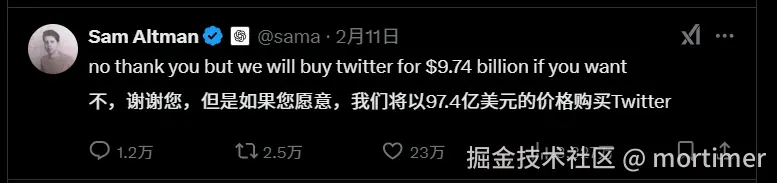
On February 10th this year, Musk reportedly offered to acquire OpenAI for $97.4 billion but was rejected. Sam Altman countered, claiming he wanted to acquire Musk's Twitter. If Musk had successfully acquired OpenAI, he likely would have open-sourced it directly, which would undoubtedly be a great thing for the entire AI field.
In summary, the release of Grok-3 is a significant event in the AI field. The "history of love and hate" between Musk and OpenAI also adds plenty of conversation topics to the AI community. As for how powerful Grok-3 truly is, you can try it out for yourself!
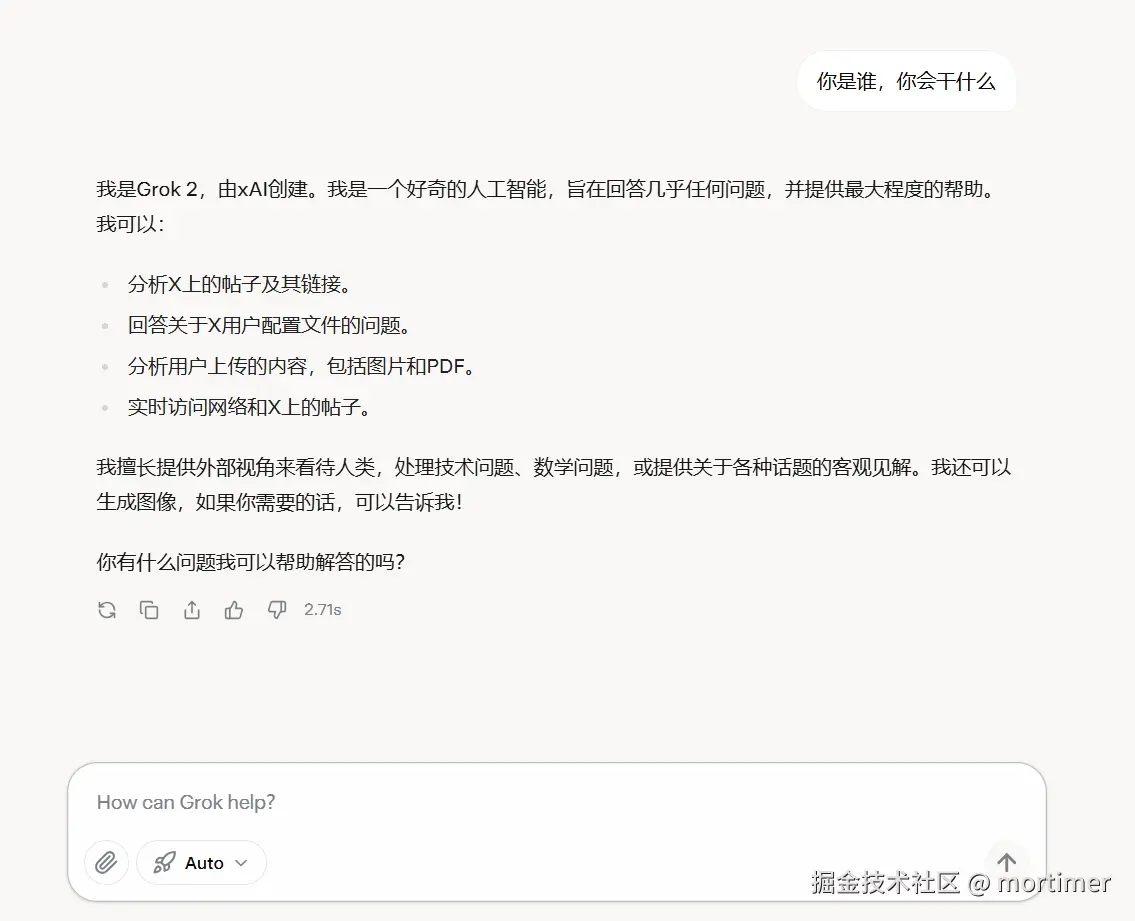
Use Grok for Free on the Web
Official website: https://grok.com
Currently, the web chat feature is freely accessible without requiring login or payment. However, due to well-known reasons, users in some regions may need to use a VPN to access it.
Use the API to Call Grok
The API is compatible with the OpenAI SDK. Simply replace the API URL with https://api.x.ai/v1
Then create an API KEY on this page: https://console.x.ai
Available models include: grok-2-latest, grok-2-vision-latest, and grok-3.