
Installing ffmpeg on Windows
If you are using a pre-packaged version, ffmpeg is already built-in, and you do not need to install it separately.
Why install it? If your AI project involves audio or video, you will almost certainly need it, so installation is recommended.
Download ffmpeg and set environment variables
Download link for the Windows version of ffmpeg:
https://www.gyan.dev/ffmpeg/builds/#release-builds
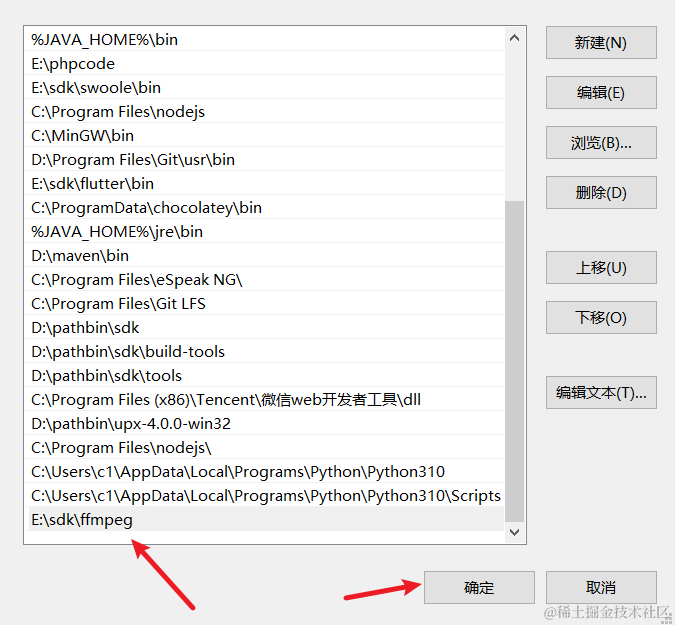
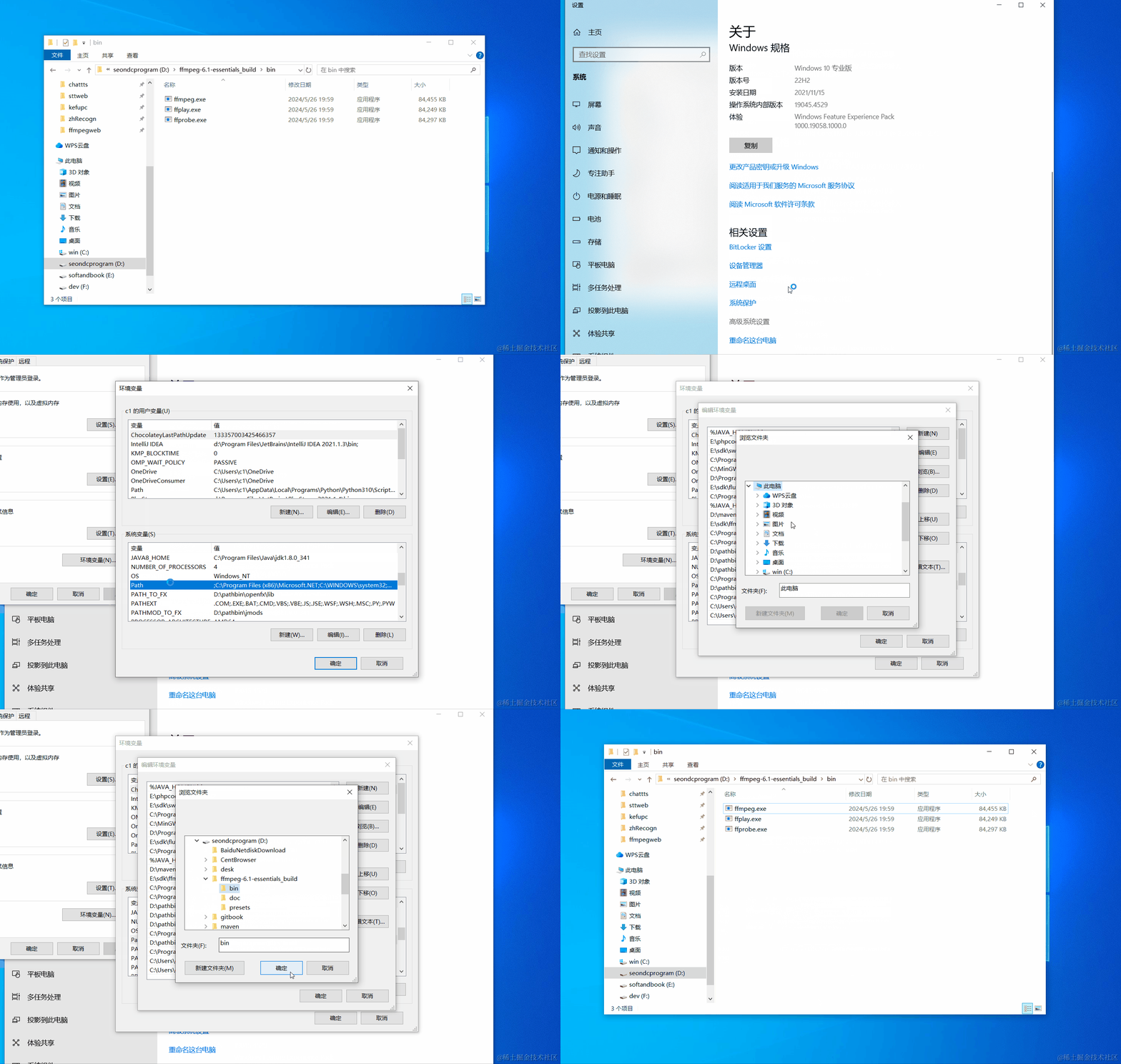
Choose to download the ffmpeg-release-full.7z archive, which includes support for all common libraries. After downloading, extract it, navigate to the bin directory, and you will see 3 .exe files. Copy them to a folder with an English path, for example, I copied them to the folder E:\sdk\ffmpeg. Then add this path to the Path environment variable.
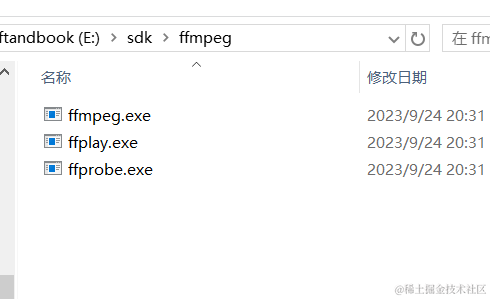
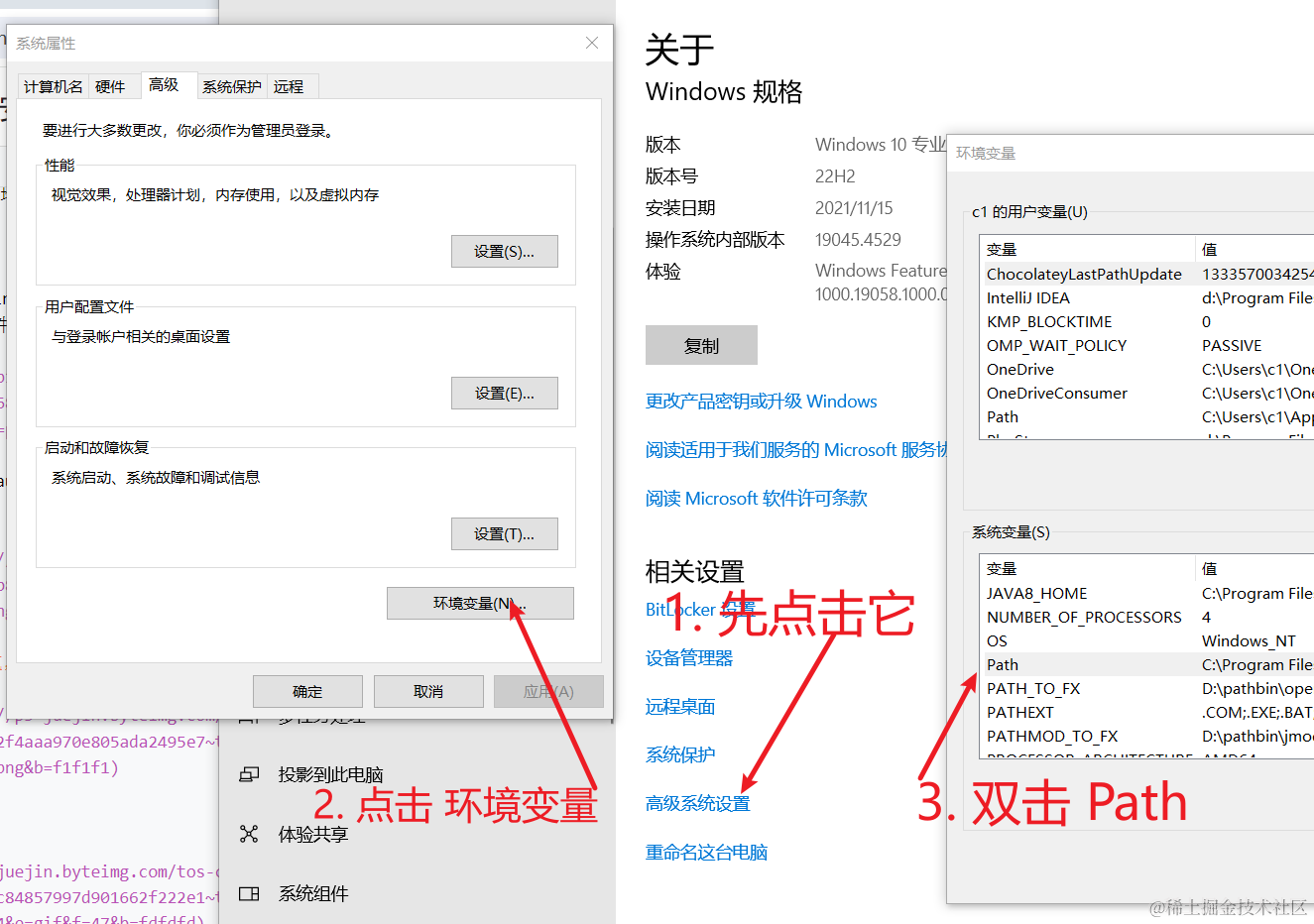
Method to add the Path environment variable: Press the Win key + Pause key (top right). In the window that opens, click sequentially: Advanced system settings -> Environment Variables -> System variables -> find the Path line and double-click it.
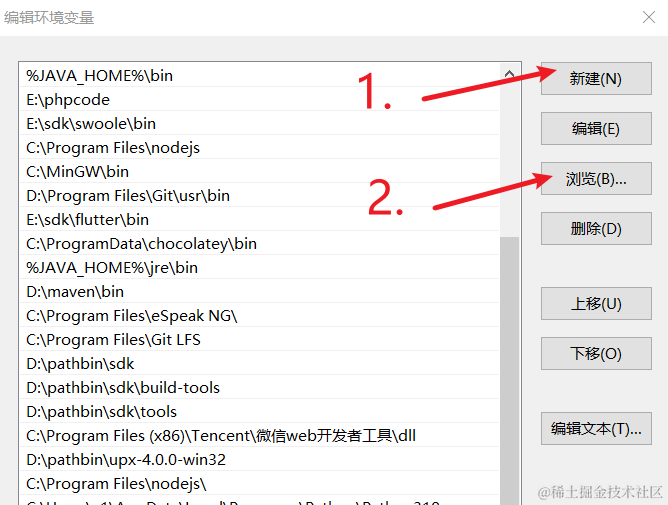
Then click New -> Browse, and navigate to the directory containing those 3 .exe files.
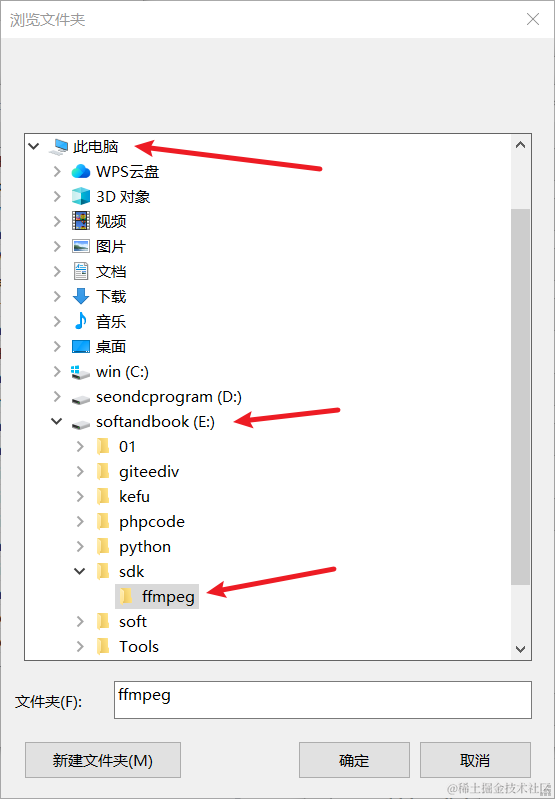
In the browse dialog, find the directory containing the ffmpeg.exe file mentioned earlier, then click OK.
You will then see the newly added path on the left. Click OK to close, and continue clicking OK to close all open dialogs.
Verify if the installation was successful
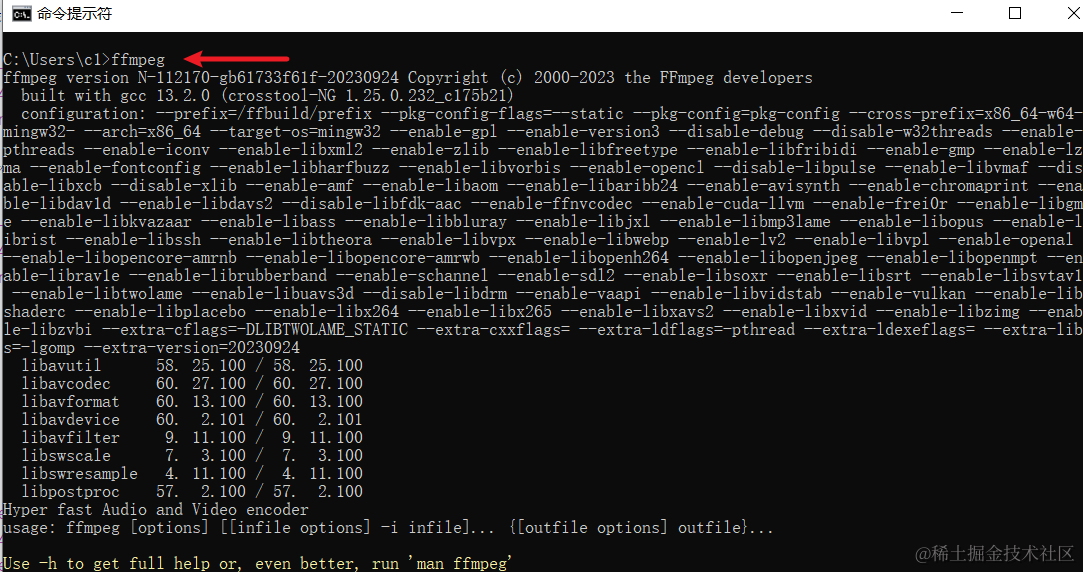
Open any Command Prompt window, type ffmpeg, and press Enter. If the output looks like the image below, the installation is correct. If you see a message like "ffmpeg is not recognized as an internal or external command...", there was an error configuring the environment variable. Please reconfigure it.
Installing ffmpeg on Mac
Open a Terminal window and enter the command
brew -v. If you get an error like "command not found," you need to install brew.To install brew, continue by entering this command in the terminal:
/bin/zsh -c "$(curl -fsSL https://gitee.com/cunkai/HomebrewCN/raw/master/Homebrew.sh)"Confirm the installation is complete. Wait for it to finish, then run
brew -vagain. If a version number is displayed, brew is installed successfully, and you can proceed to install ffmpeg.
Continue in the terminal and execute the command
brew install ffmpeg. After it finishes, enter the commandffmpeg. If a large block of version information is output, ffmpeg has been successfully installed.